Case Study 1: Larry
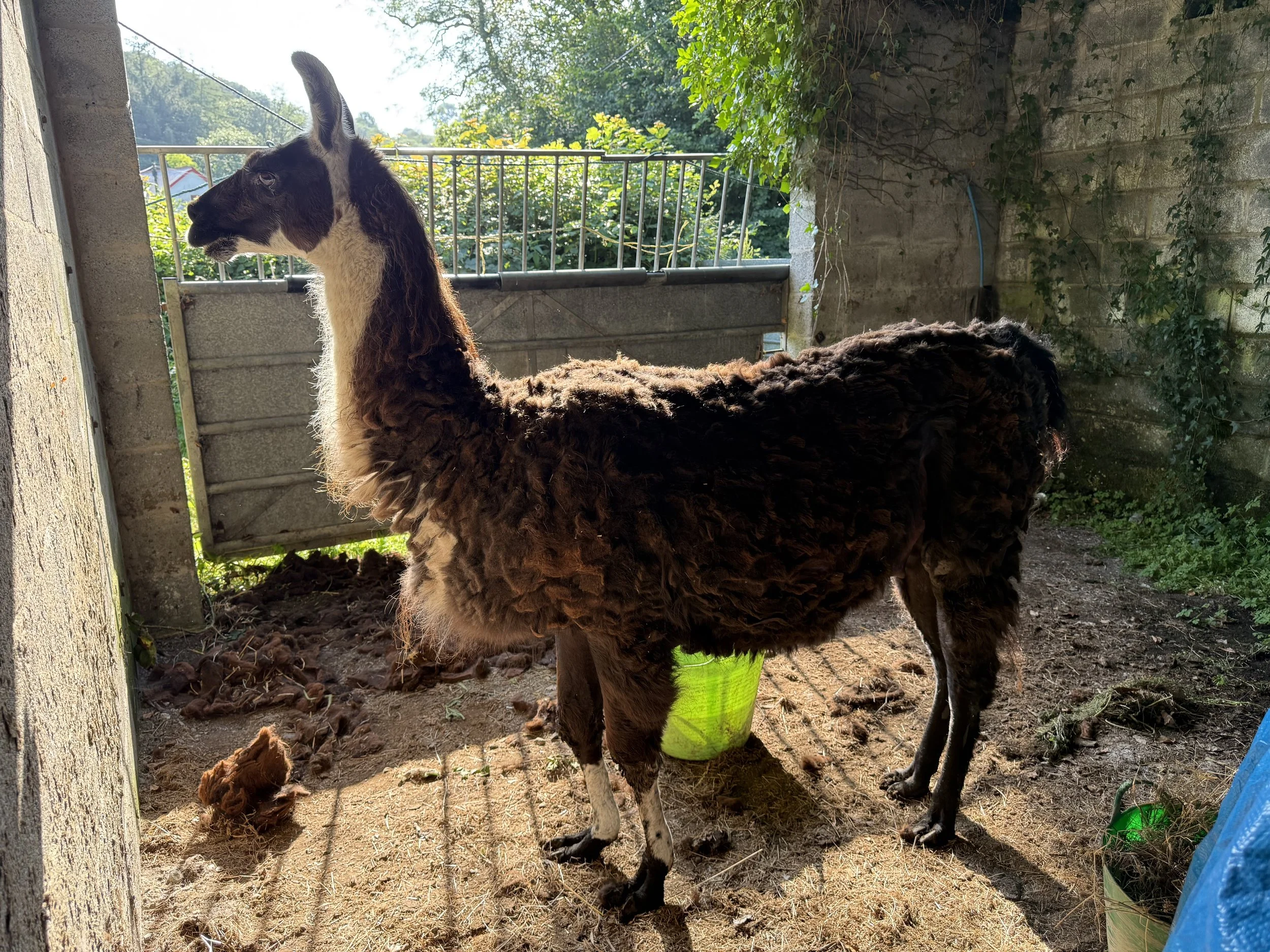
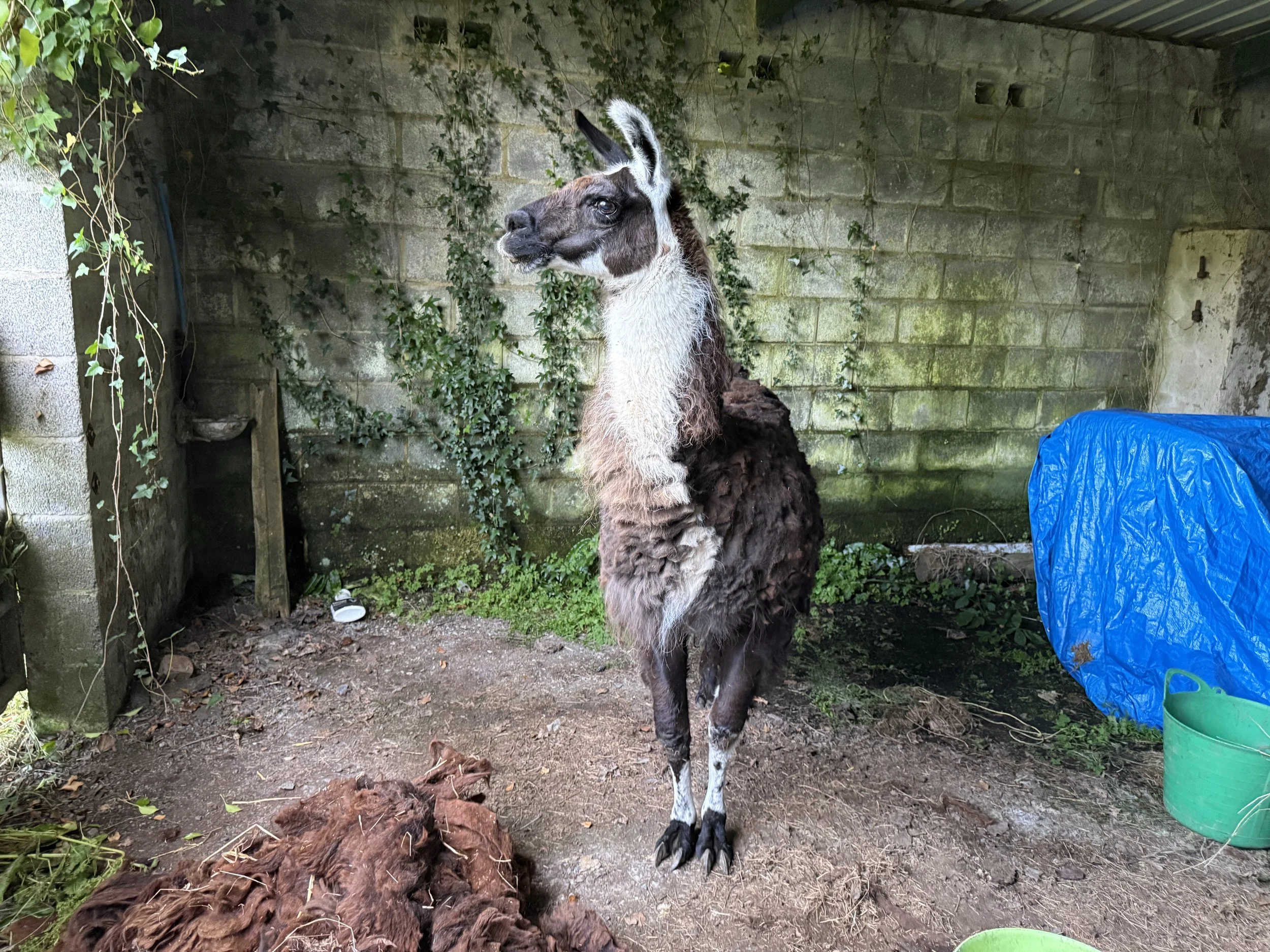
Larry is a rescue case that we recently transported from the English East Midlands. We have never seen a llama with such an overgrown thick matted fleece. His owner passed away several years ago and he was left to roam 13 acres by himself.
Below is a video showing the horrendous condition of his dirty matted coat as we sheared him, followed by the background to the case and the current situation:
The shocking state of Larry’s coat as he is sheared
We learned of Larry's plight when we were contacted by another animal welfare organisation for advice on llamas. There was concern that he was not getting the care that he needed, and there were suggestions of shooting him with a dart gun so that he could be euthanised. We were strongly against culling what appeared to be a healthy animal, and made plans to get Larry out of this dangerous situation and transport him to the sanctuary so that we could gets hands on with him and assess his condition under all that hair.
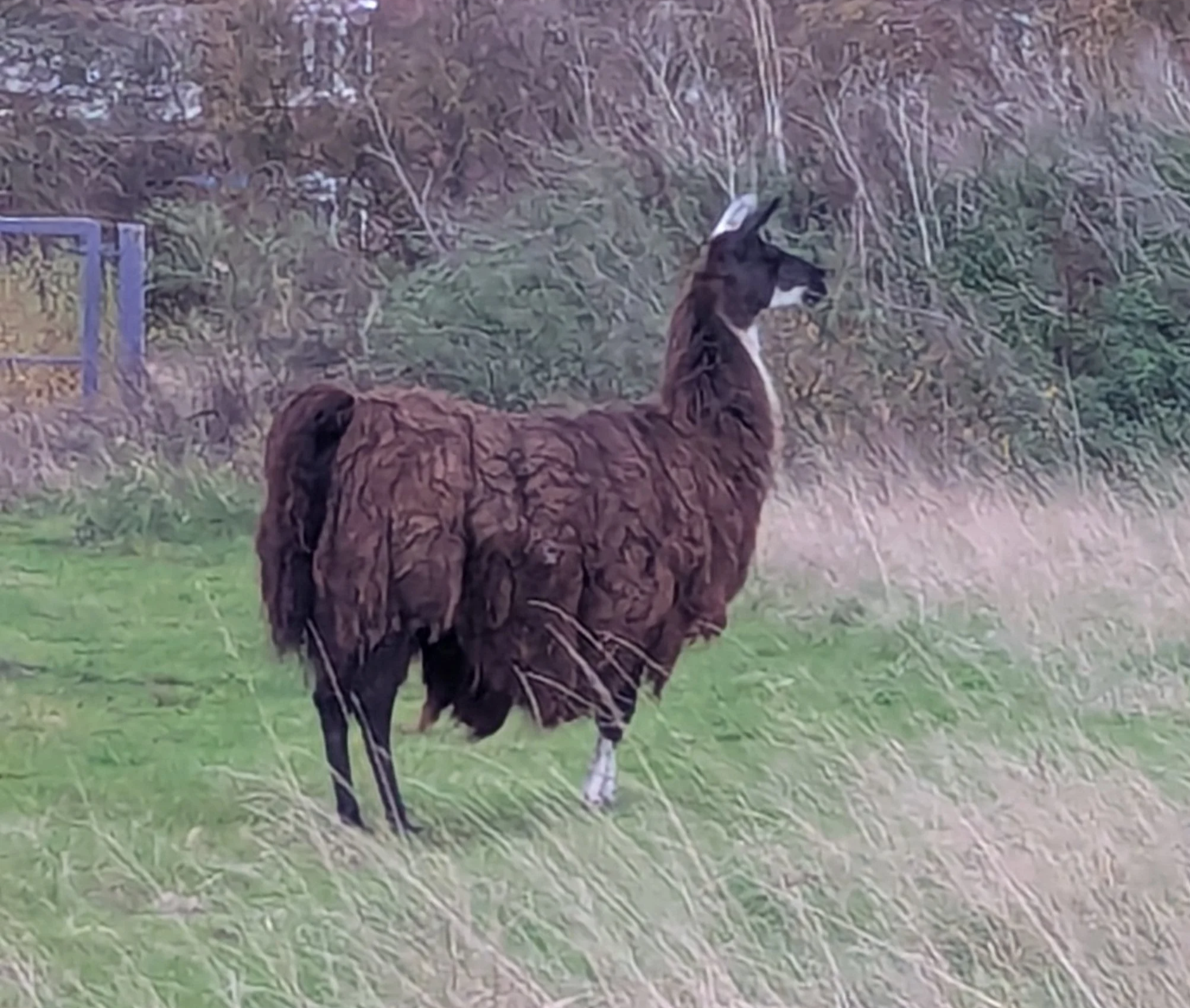
Larry originally roamed by himself on 13 acres with a dense matted coat
Like sheep and other fleece animals, llamas have been selectively bred for generations to produce a thick coat. This needs to be regularly managed to ensure that the animal remains comfortable and healthy. Without regular shearing, llama fibre (fleece) can become excessively heavy, dirty, and matted; causing discomfort and increasing the risk of heatstroke and other health problems.
People sometimes ask - 'but what about wild llamas? They don't need shearing!'. The simple answer to this is: there are no wild llamas. Llamas are related to guanaco. Guanaco do not need shearing as they are a wild animal that has not been tampered with by humans. Llamas on the other hand have been bred for their fleece and over hundreds of generations this coat has become thicker and as this is a construct of human involvement, it needs involvement of humans to manage. Sometimes photos of llamas in South America appear to show llamas roaming wild, but this is a similar scenario to seeing sheep roaming on moors or common ground in the UK - at some point they will be rounded up to be sheared.
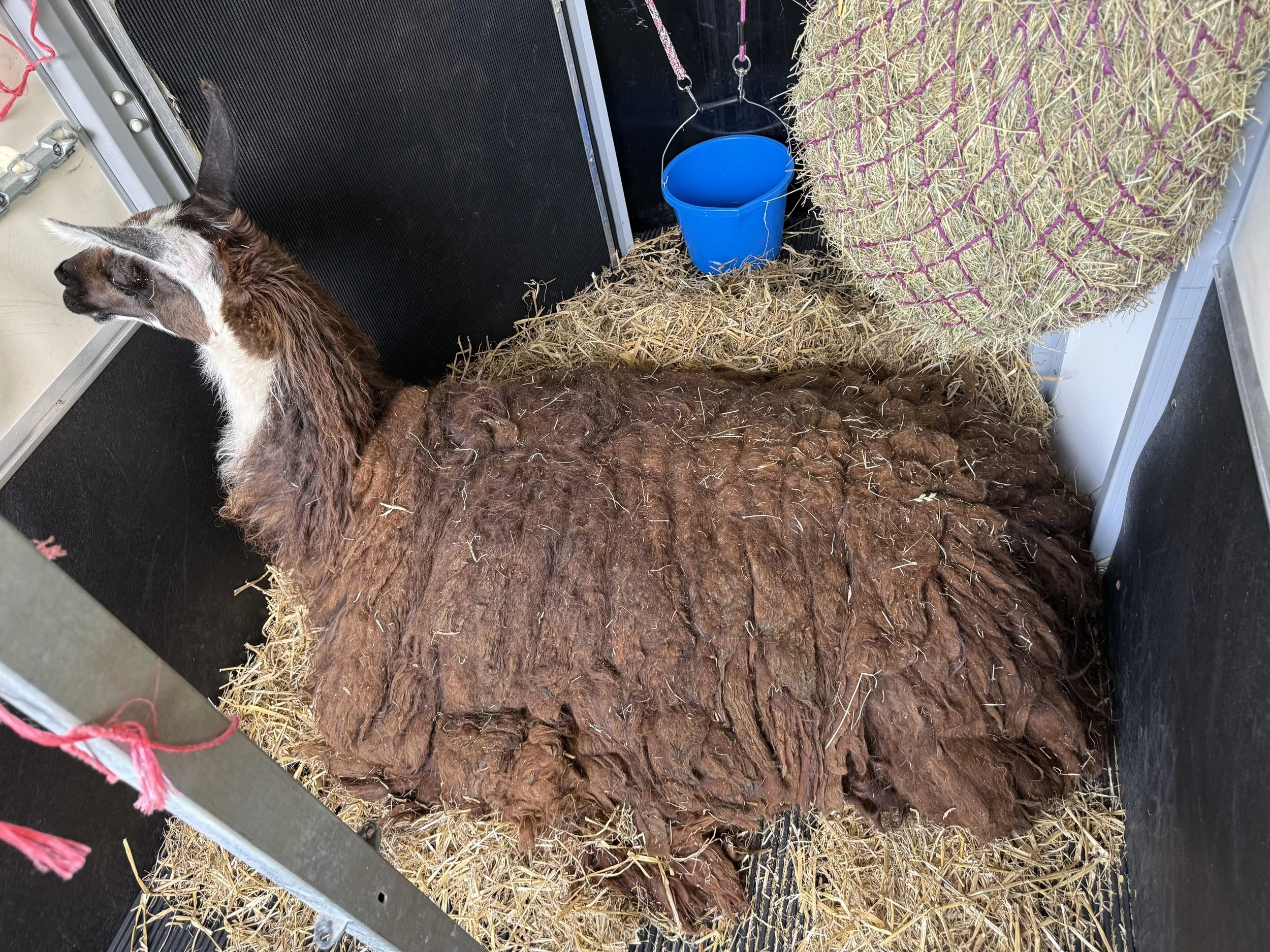
Larry being transported to The Llama Sanctuary
By the time Larry arrived at the sanctuary, his coat had become an overwhelming burden. Beneath the layers of fleece was a gentle, kind-natured llama who had simply not received the care he deserved.
Our team carefully assessed his condition and prepared for what may have been his very first shearing. Given the amount of fleece he was carrying, the process required patience and care, but throughout it all he remained remarkably calm and cooperative. Despite everything he had experienced, he showed us nothing but trust.
We shear our llamas with hand shears, unrestrained. Larry just stood and watched. He knew this was good for him. We could see the sadness and gratitude in his eyes and body language. He didn't even flatten his ears back (a sign that llamas are feeling threatened). As we continued to shear, he became visibly more comfortable and was able to move more freely. It was a powerful reminder of how important routine husbandry is for animals kept in human care. As we shear solely for welfare purposes, the cut does not need to be perfect - we are happy with a more variable bitty coat finish if it means the animal gets less stressed during the process. Larry may not win any fashion contests any time soon, but he will most definitely be a lot cooler and comfortable!
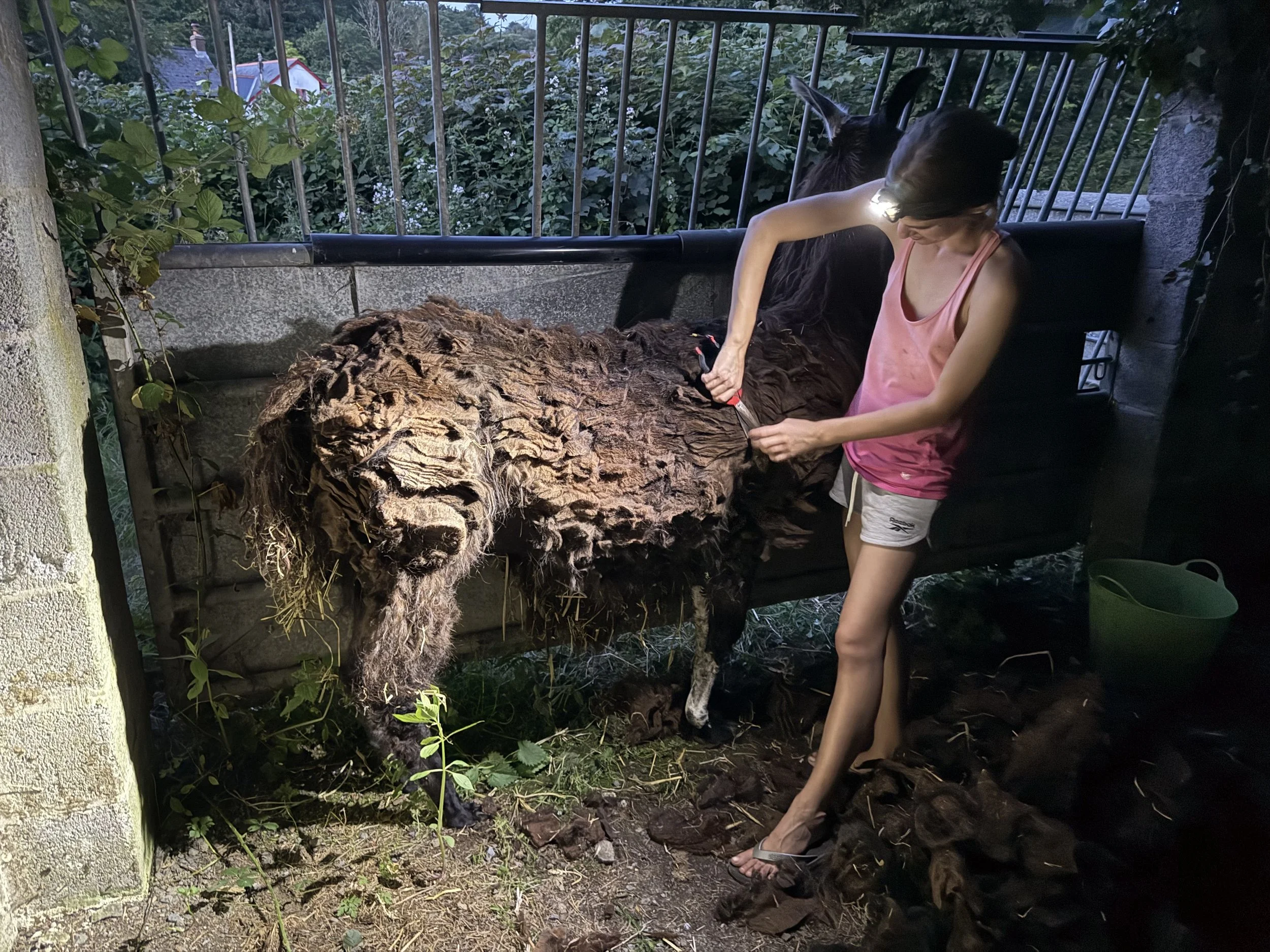
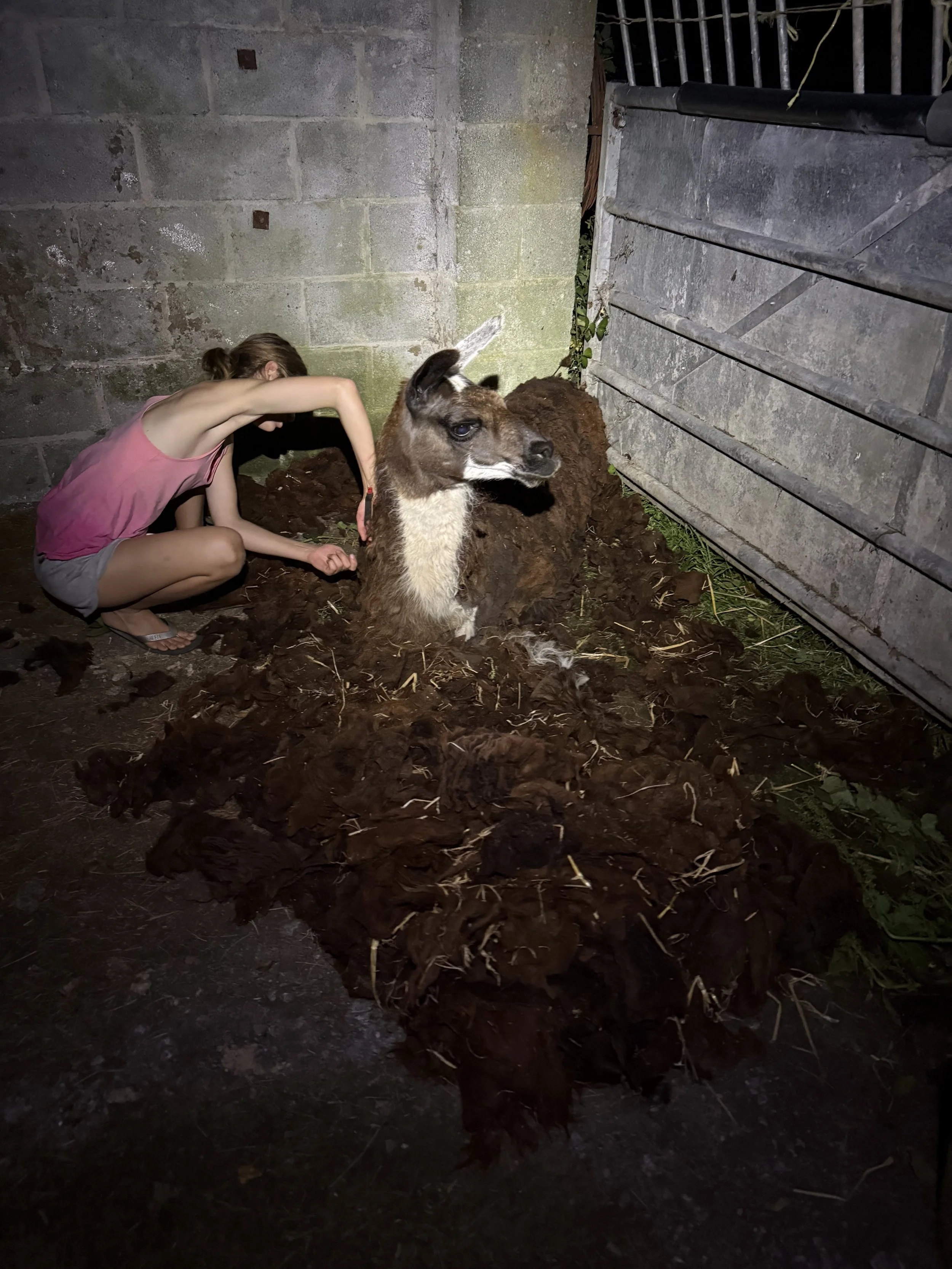
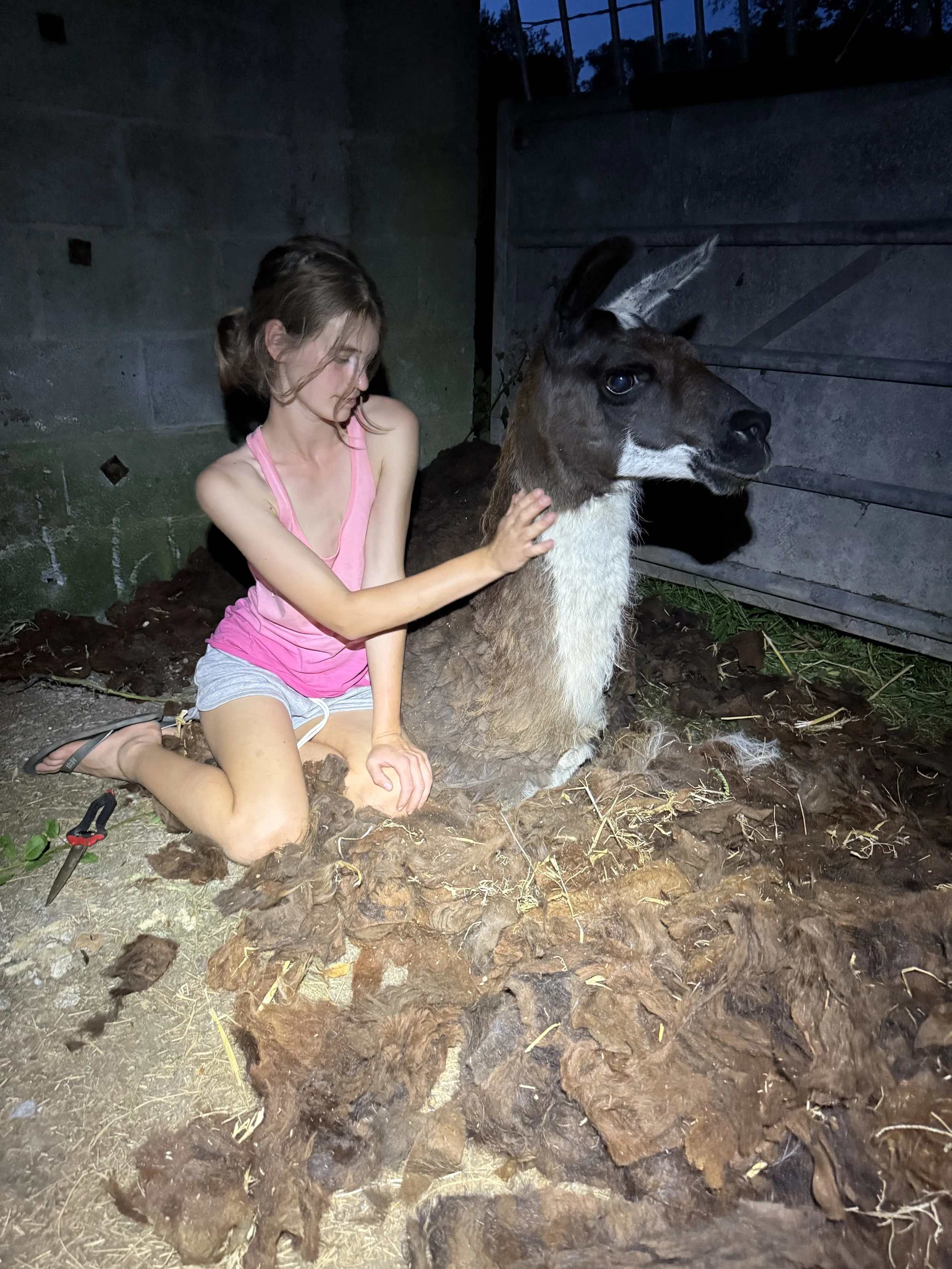
Larry being sheared
Animal welfare is about more than simply providing food and shelter. It means understanding the specific needs of each species and ensuring those needs are met throughout their lives. For llamas, regular health checks, appropriate nutrition, companionship, and fleece management are all essential parts of responsible ownership.
Sadly, cases like this are not as rare as many people might think. Animals can find themselves neglected not always through deliberate cruelty, but sometimes through a lack of knowledge, resources, or changing circumstances. Whatever the reason, the animals are the ones who suffer the consequences.
Today, lovely Larry is settling into sanctuary life beautifully. He seems to enjoy human contact and has quickly become a favourite among volunteers. Most importantly, he is safe, comfortable, and receiving the care he has always deserved.
His story could have ended very differently. Instead, thanks to timely intervention and the support of people who care about animal welfare, it has become a story of hope.
We are delighted to give this wonderful llama the future he deserves and look forward to watching him thrive in the years ahead. We feel privileged to be part of his journey.
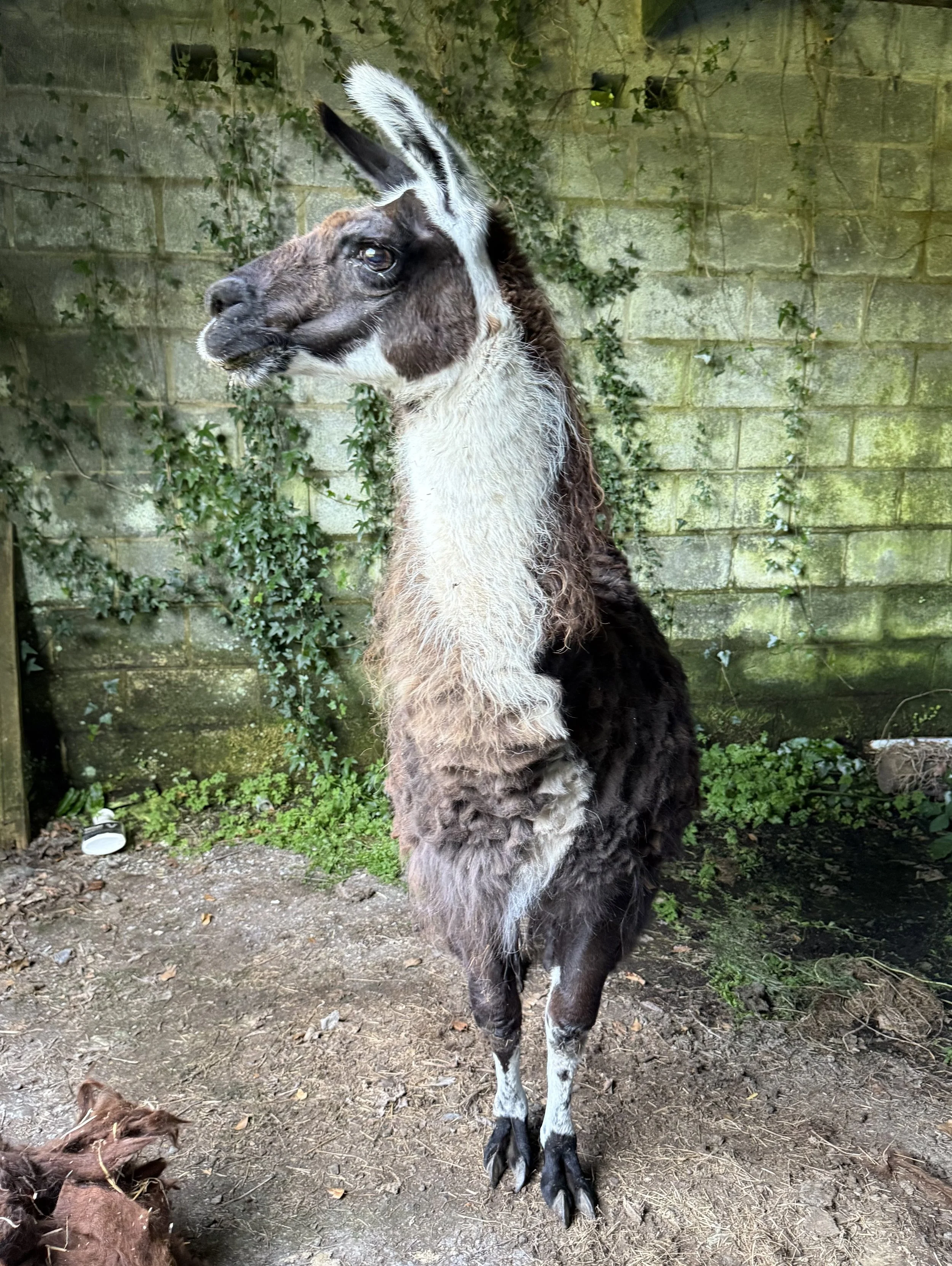
Beautiful noble Larry post-shear